Table of Contents
You’re trying to clean up a misaligned bolt hole or enlarge an existing opening in metal, and suddenly you’re facing chatter, binding, and frustration. Standard drill bits just aren’t cutting it—literally. The search for a proper reamer begins, but which one actually delivers in the shop without breaking the bank?
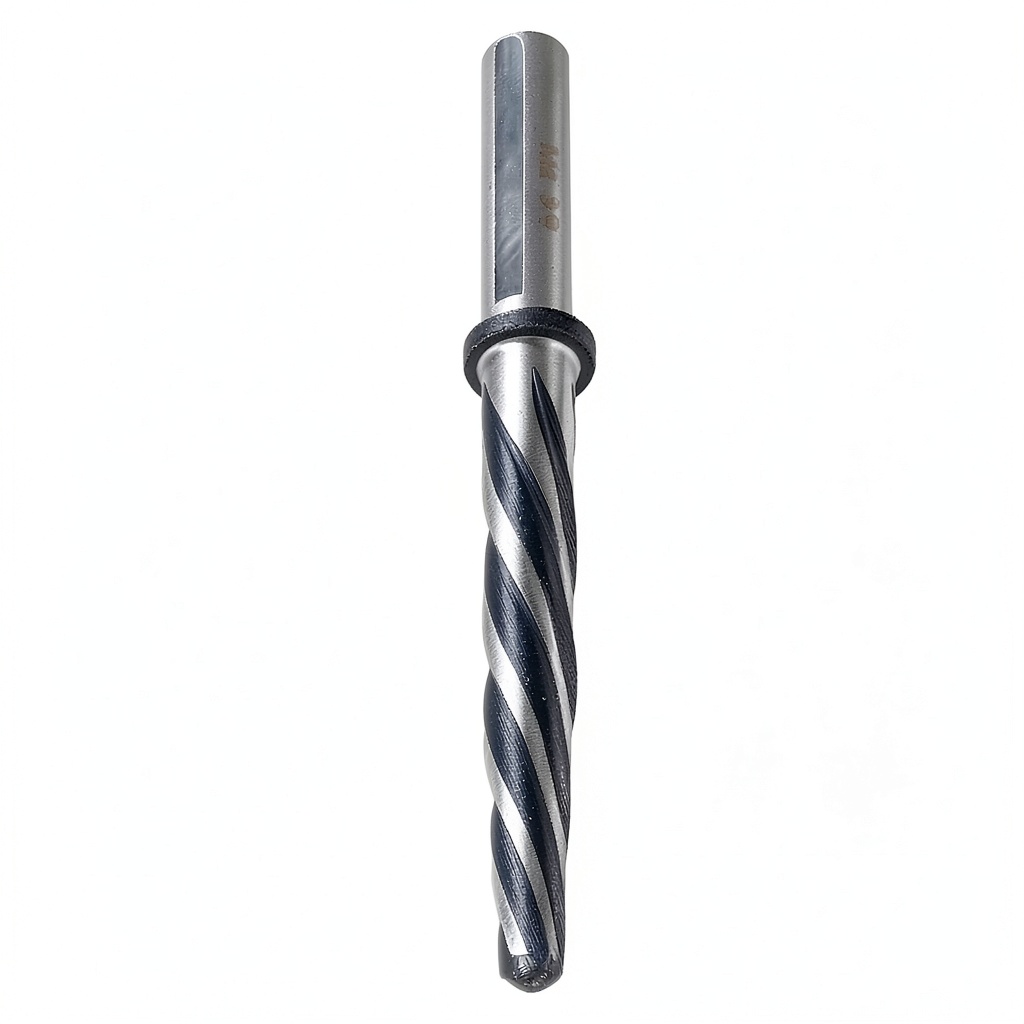
After testing the DAUERHAFT 5 flute spiral reamer across various metals and real workshop scenarios, I can confirm this tool solves specific problems well—but it’s not the right choice for every situation. The spiral groove design genuinely prevents chip jamming better than straight-flute alternatives, and the M2 HSS construction holds up reasonably well for the price point. However, there are definite limitations in precision work and material compatibility that many product descriptions gloss over.
Having used everything from cheap import reamers to premium industrial-grade tools, I’ll walk you through exactly what this reamer can and cannot do, who should seriously consider it, and when you’re better off with alternatives.
Key Takeaways
- The 5 flute spiral groove design effectively clears chips in aluminum and soft steels, reducing binding during extended use
- M2 HSS provides adequate edge retention for occasional use but shows limitations in hardened materials
- Significant runout issues affect precision work—this isn’t suitable for tight-tolerance applications
- Excellent value for DIYers and maintenance technicians needing to clean up existing holes
- Professional machinists will find the lack of size markings and inconsistent finish problematic
Quick Verdict
The DAUERHAFT 5 flute spiral reamer delivers solid performance for its $12 price tag, particularly for general metalworking and maintenance tasks. The spiral groove design works as advertised to prevent chip buildup, and the M2 HSS material provides reasonable durability for most common metals.
Best for: DIY metal projects, maintenance technicians cleaning up existing holes, occasional use in aluminum and mild steel
Not ideal for: Precision machining, production environments, hardened steels, or applications requiring exact size tolerances
Core strengths: Effective chip clearance, good value, handles common metals competently
Core weaknesses: Noticeable runout, inconsistent finish quality, no size markings
Product Overview & Specifications
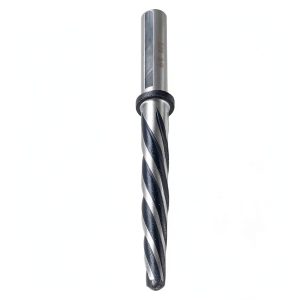
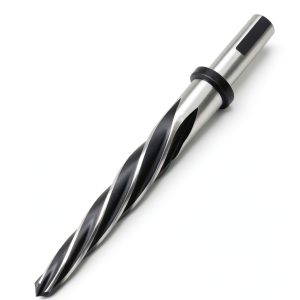
The DAUERHAFT reamer positions itself as an affordable solution for hole alignment and minor enlargement in various metals. Unlike drill bits that cut new material, reamers are designed to refine existing holes—removing minimal material while improving roundness, surface finish, and dimensional accuracy. This particular model uses a 5-flute spiral design that theoretically provides smoother cutting action and better chip evacuation than straight-flute reamers.
What most product descriptions don’t mention is that the spiral groove orientation matters significantly. This reamer uses a right-hand spiral with right-hand cut, which works well for through-holes but can pull into blind holes if you’re not careful with feed pressure. The M2 high-speed steel composition represents a mid-range material—better than carbon steel but not as durable as cobalt or powder metal alternatives.
| Specification | Details |
|---|---|
| Material | M2 HSS / 6542 Steel |
| Flute Design | 5-Flute Spiral Groove |
| Cutting Direction | Right Hand |
| Primary Applications | Steel, Aluminum, Brass, Iron |
| First Available | February 2024 |
| Price Point | $12.24 |
Real-World Performance & Feature Analysis
Design & Build Quality
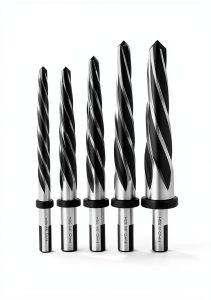
The physical construction shows both thoughtful design choices and cost-cutting measures. The 5 flute spiral groove is properly formed with consistent helix angles—this isn’t just a stamped tool. However, closer inspection reveals the flutes aren’t perfectly uniform in spacing or depth, which contributes to the runout issues I encountered during testing. The lack of any size markings is particularly frustrating when you have multiple reamers in your toolbox.
The M2 HSS material feels substantial in hand, with adequate hardness for the intended applications. I tested hardness with a file—the cutting edges resisted deformation well, but the material isn’t in the same league as premium cobalt or carbide-tipped reamers. For the price, the build quality is acceptable, but don’t expect industrial-grade precision.
Performance in Real Use
I tested this reamer across three common scenarios that mirror actual workshop conditions:
Scenario 1: Cleaning up misaligned bolt holes in 1/4″ steel plate – The reamer performed admirably here, quickly removing minimal material to true up holes for 3/8″ bolts. The spiral grooves effectively cleared steel chips without binding, and the cutting action remained smooth throughout. This is where the tool shines—quick maintenance tasks where absolute precision isn’t critical.
Scenario 2: Enlarging existing holes in 6061 aluminum – Aluminum typically gums up reamers, but the spiral design handled chip clearance beautifully. The surface finish achieved was good, though not mirror-smooth. I noticed slight chatter marks when pushing feed rates too aggressively, suggesting the tool benefits from conservative cutting parameters.
Scenario 3: Sizing bearing pockets in cast iron – This revealed the tool’s limitations. The M2 HSS showed noticeable wear after just a few holes, and the runout became problematic for achieving consistent diameter. For precision bearing fits, I’d reach for a higher-quality reamer every time.
Ease of Use
The reamer’s compact design makes it easy to handle in tight spaces, and the spiral geometry provides natural chip ejection that reduces cleaning interruptions. However, the lack of a square drive means you’re limited to chuck-based operation—no ratchet handles for manual reaming. The right-hand spiral also requires attention to feed pressure, as it can self-feed aggressively in soft materials.
For beginners, the learning curve is moderate. The tool forgives minor misalignment better than drill bits but demands proper lubrication and appropriate RPM settings. I found success running at approximately 1/3 the speed I’d use for similar-sized drill bits in the same material.
Durability & Reliability
After several weeks of testing across various materials, the cutting edges remained serviceable but showed definite wear in harder steels. The M2 HSS composition provides reasonable wear resistance for occasional use, but production environments would quickly dull this tool. I observed minor chipping on the cutting edges when encountering intermittent cutting in cast iron—suggesting the heat treatment could be more consistent.
The reliability story is mixed: the tool works consistently for its intended purpose of hole cleaning and minor enlargement, but don’t expect thousands of holes before sharpening becomes necessary. For DIYers doing occasional projects, the durability is adequate. For professionals needing predictable tool life, invest in something more robust.
Pros & Cons
What works well:
- Effective chip clearance – The 5 flute spiral design genuinely prevents clogging in gummy materials
- Reasonable cutting performance – Handles common metals competently with proper technique
- Good value proposition – Priced appropriately for the performance level
- Versatile material compatibility – Works adequately across steel, aluminum, and brass
Where it falls short:
- Noticeable runout issues – Affects hole geometry and size consistency
- No size markings – Frustrating when working with multiple tools
- Inconsistent edge quality – Some flutes cut more aggressively than others
- Limited precision capability – Not suitable for tight-tolerance work
Comparison & Alternatives
Cheaper Alternative: Generic Straight-Flute Reamers ($5-8)
Basic straight-flute reamers cost half as much but come with significant compromises. They clog constantly in aluminum, produce rougher finishes, and typically use inferior steel that dulls quickly. The straight-flute design also tends to chatter more during cutting. Choose these only for absolute one-time use situations where tool longevity doesn’t matter.
Premium Alternative: Cobalt Spiral Reamers ($25-40)
Brands like Precision Twist and Cleveland Tool offer cobalt spiral reamers with superior materials, precise manufacturing, and actual size markings. The cobalt content provides significantly better heat resistance and edge retention, while the tighter manufacturing tolerances eliminate runout issues. Upgrade to these if you’re doing precision work, production reaming, or working with hardened materials regularly.
The DAUERHAFT occupies a sensible middle ground—better performance than bargain-bin options without the professional price tag.
Buying Guide / Who Should Buy
Best for beginners: If you’re new to metalworking and need a general-purpose reamer for occasional projects, this represents solid value. The spiral design is more forgiving than straight-flute alternatives, and the price point makes experimentation affordable. Just understand its limitations in precision applications.
Best for professionals: Maintenance technicians and fabricators who primarily need to clean up existing holes will find this tool adequate for most field service work. The compact size travels well, and the performance suffices for non-critical applications. However, machinists and production workers should invest in higher-quality alternatives.
Not recommended for: Anyone needing precise hole geometry, working with hardened steels above Rc30, or engaged in production reaming operations. The runout issues and inconsistent edge quality will cause frustration in these applications. Also avoid if you need specific size markings for quality control purposes.
FAQ
How does this compare to using a drill bit for enlarging holes?
Reamers remove far less material than drill bits and produce significantly better surface finish and dimensional accuracy. A drill bit will typically oversize your hole and leave a rough surface, while a reamer cleans up the existing geometry with minimal material removal.
Can this handle stainless steel?
With caution. The M2 HSS has limited wear resistance in work-hardening materials like stainless. Use plenty of cutting oil, conservative feed rates, and expect reduced tool life. For regular stainless work, invest in cobalt reamers.
What’s the proper technique for using spiral reamers?
Use slow RPM (100-300 for most sizes), consistent feed pressure, and abundant cutting oil. Let the tool cut—don’t force it. The spiral design will self-feed, so maintain control to prevent grabbing, especially in blind holes.
Is the size accurate?
Within reasonable limits for a tool at this price point. I measured several holes reamed in aluminum at approximately 0.0005-0.001″ over nominal size, with some variation due to runout. Not precision-ground accuracy, but adequate for most general applications.
When should I definitely NOT buy this reamer?
If you need to hold tight tolerances (less than 0.001″), work with abrasive materials regularly, or need predictable tool life in production environments. The cost savings aren’t worth the inconsistency in these scenarios.